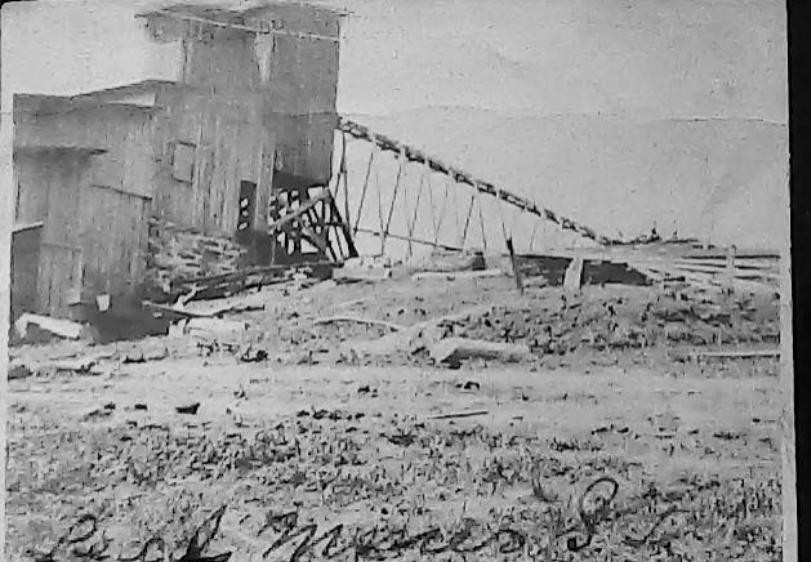
September 10, 1912 began like most other days, the crew boarded a boxcar coupled to the #9 Shay in Fariwood and headed up to their work site on Pine Mountain. Kent Steffey was a seasoned 45-year-old engineer, respected for his skill and experience. A proud member of the Brotherhood of Engineers Union, and a native of Wythe County who had relocated along with his wife to Wilson Creek, Grayson County. Steffey worked for Spruce Lumber Company. He was known for his dedication to his work, and on the fateful day in September, he was once again at the helm of Shay locomotive #9, taking on the daunting task of navigating Pine Mountain.
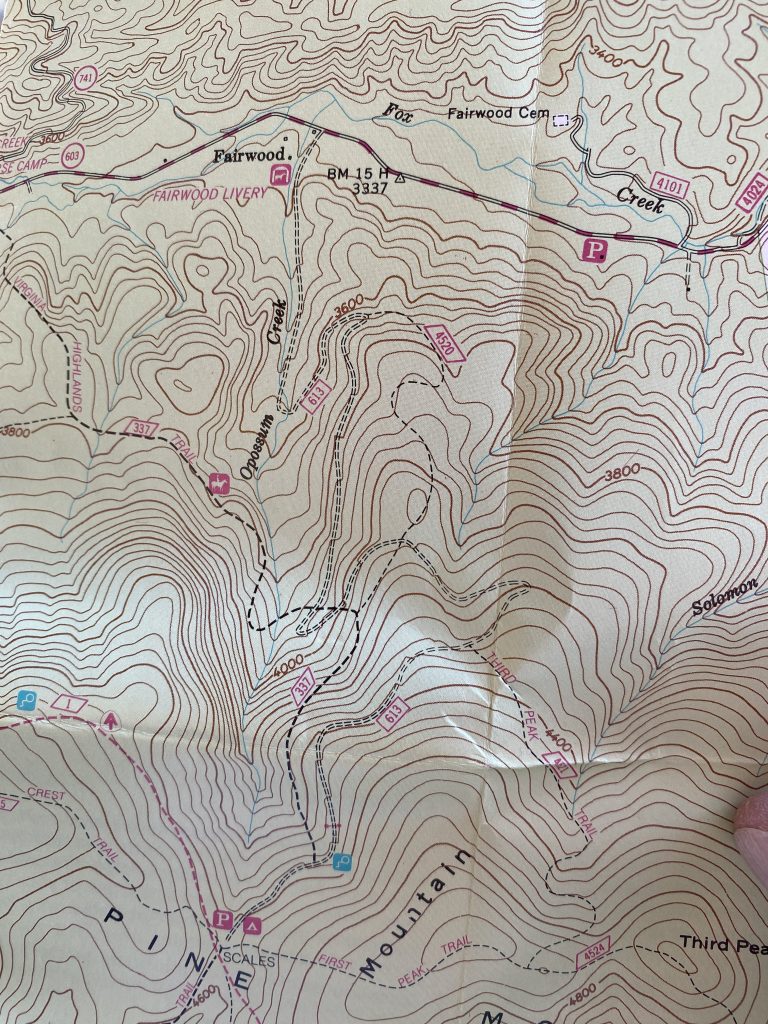 The journey from Fairwood to the top of Pine Mountain was no small feat. Spanning about five miles, it took roughly an hour for Steffey to guide the massive locomotive up the switchback. The logging crew was dropped off and Steffey’s train was turned to begin its descent. It was here that things took a tragic and unexpected turn.
As the train began its descent down the mountain, which featured a steep 6% grade, Steffey applied the brakes, expecting to slow the heavy load. However, to his horror, there were no brakes. The train began to pick up speed rapidly, and Steffey realized the full extent of the danger. Without brakes, he was helpless to slow the train as it hurtled downhill. He whistled to the back of the train to alert the Fireman.
The train reached dangerous speeds, and the situation worsened as gears started stripping off the wheels, further reducing the train’s resistance. At this point, Steffey’s options were limited. In a desperate attempt to alert the crew and prevent a disaster, the fireman, Nute Bateman, tied off the whistle to signal impending doom. Bateman, fearing for his life, jumped off the train, narrowly escaping the impending crash and certain death.
Meanwhile, Fields Anderson, the conductor, managed to lock the brakes on the last car in a last-ditch effort to stop the train. Realizing they had no chance of stopping the runaway train, Anderson also jumped, watching helplessly as the train sped away around the bend. Both Bateman and Anderson survived, though they could do nothing but watch in horror as the train disappeared around a curve in the mountain. Moments later, the sound of a horrific crash echoed across the valley.
The two men rushed to the scene of the wreck, which wasn’t far from where they had jumped. As they approached, they saw the twisted, mangled wreckage of the train, derailed and overturned on its side. The wreck was a scene of utter devastation. Steffey, however, was not immediately found. It wasn’t until later that his body was discovered, crushed beneath the boiler of the 65-ton Shay locomotive.
Kent Steffey’s death was a tragic loss. He was survived by his wife, Emma, and their four children: Mabel, Ruth, Virginia, and Mary. His passing left a deep void in the community, especially for his family and colleagues at Spruce Lumber Company. Despite the danger he faced, Steffey’s courage and quick thinking during his final moments, as well as the brave actions of his crew members, remain a testament to the sacrifices made by railroad workers every day.
All that remains is his tombstone in Rural Retreat, Va., and this ballad,
“The Wreck of Ole Number Nine.”
Kent Steffey was an engineer, the best one on the line.
Each morning he’d leave Fairwood with his Engine Number Nine.
To the mountains he would go, making sure to run on time,
Not knowing that his fate relied on his lucky Number Nine.
Fields Anderson was conductor on that fateful day.
The autumn sun shone brightly, painting the world in gay display.
Beneath the clear, blue sky, no hint of danger lay,
But the engine’s brakes refused to work, and Kent’s train ran away.
“On brakes, on brakes!” he whistled, but the brakemen were all gone,
And the fireman, Nute Bateman, thinking of his home,
Leaped from the cab to save his life, as Nine dashed madly on.
Still on the rails, the bell began its mournful clang,
And across the mountain air, the sorrowful whistle rang.
‘Farewell, farewell,’ it seemed to say, and the wheels sang death’s song.
It struck the curve with awful force, and from the rails she sprang.
Beneath the wreck, now cold and still, the engineer was found,
His body crushed and mangled, buried beneath the ground.
Now poor Kent is sleeping beneath the mountain sod,
His body cold and buried, but his soul has gone to God.
~Anonymous