Rye Valley History

Tag: History

Molasses Tradition in Sugar Grove: A Generational Craft
Molasses Tradition in Sugar Grove: A Generational Craft

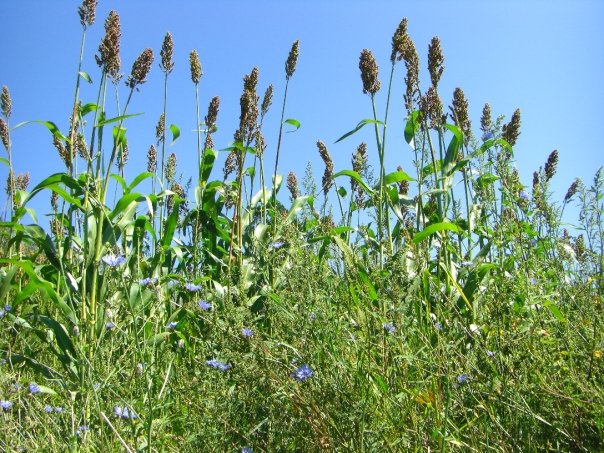
For generations in Sugar Grove, the Combs family  has carried forward a tradition that is as much about community and memory as it is about food. Making molasses was never a quick task or a solitary one — it was a season, a rhythm, and a ritual. Each step, from planting cane to sealing jars of molasses, reflects knowledge passed carefully and meticulously from one generation to the next. This is the story of how the Combs family makes molasses in the heart of Rye Valley, using tools, seeds, and methods that have endured for generations. Every batch of molasses begins long before the fire is lit under the pan. It begins in the cane patch — a field planted with seed saved from the previous year’s crop. This seed‑saving tradition is one of the most remarkable aspects of the process. Sherman Combs, Jr.  played a central role in this cycle. After the cane matured, he would walk the rows, selecting the best cane heads and carefully topping them in the harvesting process to collect seed. These seeds weren’t just agricultural material; they were heirlooms. Each year’s planting carried the genetics — and the memories — of many seasons and generations before it. This practice of “topping” the cane, gathering the heads, and saving seed ensured a consistent reliable crop, a lineage of cane adapted to Sugar Grove’s soil and climate and a direct connection between generations of farmers. Gayle Combs, the family patriarch, is shown in this photo going through the heads of the cane gathering the seeds to store for the next planting. Seeds can be stored for several years if kept dry and cool. They are usually stored in an old glass jug to prevent any moisture or other foreign matter from coming in contact with them assuring their quality. The jug has been around also for many generations.   Before any cane juice could be boiled, the custom molasses pan had to be prepared — a process that required both craftsmanship and patience. The pan is hand made and custom designed for the cane furnace using its specific measurements. The pan, typically a long, shallow metal trough, was fitted around a wooden frame. To ensure a tight seal, the pan was filled with water. As the wood absorbed moisture, it expanded, tightening around the joints and preventing leaks. Any small gaps or imperfections revealed during this stage were addressed before the pan ever touched the furnace and before any cane juice is put into it. This step is essential. A leaking pan could ruin hours of labor and waste precious cane juice. This preparation is treated as seriously as the cooking itself. The cane furnace — used not only for molasses but also for apple butter — is one of the most enduring pieces of family history. Built from stone and brick, it was designed to hold heat evenly and support the heavy molasses pan. The cane furnace is a rectangular structure built on top of the ground to form a box to contain the fire. it has a smokestack and slats across the top for added support of the pan when it is placed. The cane furnace sits under a pole shelter for added protection from weather and other elements. If it rains or is too windy, tarps can be added between poles for added protection from the weather. Before each use, the furnace has to be “mudded.” This means sealing the edges of the pan with a clay‑like mixture to prevent leaks, keep smoke and ash out of the molasses and ensure the pan heats evenly from end to end. This furnace isn’t just equipment; it is a landmark. Generations have gathered around it, stirring, skimming, talking, and working before first light until sunset. Once the cane furnace is properly made ready for the next molasses making event, the pan is placed carefully on fresh mud so that it forms a seal. Once the cane is harvested, the stalks are fed through a cane mill — a heavy, gear‑driven press that squeezes out the juice. The mill was often powered by hand, mule, or tractor, depending on the era. In modern times, a tractor is used to power the cane mill. As the stalks are crushed, the juice flows into a cloth strainer. This first filtration removed dirt, bits of cane plant matter, leaves and any other debris from the field. A fine, clean cloth sack is used for straining  for this step, ensuring the juice entering the pan from the cane mill was as pure and clean as possible. With the furnace hot and the pan sealed, the strained cane juice is poured in. This began the longest and most labor‑intensive part of the process: boiling the juice down into molasses. During this process, about half of the juice is lost to evaporation and skimming that renders a base product which becomes molasses. This stage could last many hours, often from early morning until sunset. Throughout the day, family and neighbors take turns feeding the fire, watching the boil, skimming and discarding skimmings into a nearby 5 gallon bucket. Skimmer tools are handmade from an old broom handles and metal that is hand crafted into a square scoop shape. the scoop has rows of holes so that liquid can flow through but the thicker foamy substance that rises to the surface does not pass through these holes and is discarded. These skimmers are used constantly throughout most of the process of making molasses. This process is performed along both sides of the pan for efficiency and turns are usually taken in the process by everyone. The color slowly deepens from pale green to a beautiful golden amber. The aroma — sweet, earthy, unmistakable — drifts across the yard permeating your clothes, your hair and any other material things you have while infusing everything with the scent of wood smoke mingled with molasses. It’s a unique scent only attained from this process. This…

Combs, Communities, Families, History, Sugar Grove

Dr. Goodridge Wilson On Our History

Dr. Goodridge Wilson On Our History

Early Settlers Were Attracted to Smyth County’s Rye Valley Rye Valley lies over the mountain to the south of Smyth County. State Route 16, the B. F. Buchanan Highway, coming from the north over Clinch, Brushy, and Walker mountains, passes through Hungry Mother Park, Marion, and Attaway, over another Brushy Mountain, and enters a locality where rye was growing in abundance when the first white men came to this region. That weed is smaller than the cultivated rye but resembles it, and is said to make fairly good horse and cattle food. The pioneers seemed to have liked the plant, perhaps because it grew so well here. Prior to or during the Revolutionary War they gave it its name not only the beautiful valley where the South Fork of Holston starts but also to Rye Bottom on Big Walker Creek, and to Rye Cove in Scott County. The valley is narrow. The high crosses it quickly at a little climbing the steep sides of Iron Mountain and on across Grayson County to North Carolina. The first pioneers who acquired land in Rye Valley appear to have been Joseph and Esther Crockett, enterprising land speculators, who were not husband and wife, but business associates whose names appear together on a number of documents. The late Squire Robert Ward of Sugar Grove, a descendant of one of them, showed me a deed dated in 1753 by which the king of England conveyed the land about the head springs of the South Fork of Holston to Joseph and Esther Crockett. Mr. Ward’s name was included in that grant. His grandfather, a Rev. Crockett, bought it from a James or a Nelson, Joseph and Esther Crockett, or their heirs, had sold the original tract to some families in Virginia and to Nelson families who came from Virginia and they became the first actual settlers in the iron region where three mountain brooks join their waters with those of a number of bold springs in level meadows to form the South Fork of Holston. Two of the brooks, Dickey’s Creek and Cress Creek, come out of Iron Mountain, and the third, Slemp Creek, tumbles into the valley from Brushy Mountain. In this valley meadows a forest of fine sugar maple trees grew. While I was living in Marion back in the 1920s and 30s I would go there sometimes to fish for trout, to visit in some homes, or to conduct a religious service in a public school. At that time two splendid groves, remnants of that ancient maple forest, provided wonderful picnic grounds and ideal places for all-day gatherings as Baptist Association meetings. They gave the community its name, Sugar Grove. Now the groves are gone, and much beauty formerly belonging to this place of many waters faded with the passing of those great trees. Perhaps the first permanent settler in Rye Valley was Jenkins Williams, who settled on land downstream from and immediately adjoining the original Joseph and Esther Crockett survey. When I lived in Marion his descendants in the seventh generation were living on that land. When I went to Marion one of them, a lad in knee pants, lived with his widowed mother across the street from me. He now lives in Richmond and is well known over the state as Robert Williams, executive secretary of the Virginia Education Association, a well-authenticated fact, who made his home here since 1754 when rescuers were trailing marauding Indians and found the dead body of Mrs. Samuel Stalnaker beside a creek, with her infant child crying “Hungry Manny,” they went to warn the family of a settler near the site of Sugar Grove, and left the child with that family. That settler may have been Jenkins Williams. In 1776 John Griffiths came from Pennsylvania and settled in Rye Valley. When I made a sightseeing tour in that section a few weeks ago, B.H. Griffiths of Marion went with me. He was born and grew up with his father’s name in a house that stands on the site of a log house in which the Griffiths settle of 1776 lived. Among other things he showed me some skillful doing masonry work and some lengths of old iron water piping, on a hillside above the South Fork of Holston. These are the remnants of a lead mining and smelting operation conducted there around the turn of the century. An iron working industry was started in Rye Valley early in the pioneer period. Jenkins Williams had a forge on the South Fork in which, among other items, he manufactured barrels for rifles used by Revolutionary War soldiers. A Pierce family engaged in iron working in the valley through successive generations. The Rev. Lewis Wetzel Pierce, a Methodist minister widely known throughout Southwest Virginia as a pastor of churches and as a former agent for the Children’s Home Society of Virginia, is now retired and lives in Bristol. He says that his great-grandfather, Moses Pierce, a Quaker, came from North Carolina and established   an iron   forge near the mouth of Comers Creek. His grandfather and his father were iron workers at Sugar Grove, He was born on inherited a farm located on the west side of Slemp Creek, which his grandfather bought from Jonathan Slemp. The Slemp’s, Frederick and Jonathan acquired land on the south side of Brushy Mountain in 1804. Mr. Pierce says that Jonathan’s land was on the west   side of the mountain between Crockett and Frederick’s on the east side. Frederick stayed and his descendants are still in that section. Jonathan sold his land to Alexander Wilson Pierce and his descendants, Col. Camp, who represented that area in Congress from the 9th Virginia District. The Brushy Mountain land is still called Slemp’s Creek.  

Communities, Crockett, Families, Genaology, Griffitts, History, History Keepers, James, Native American, Nelson, Pierce, Roberts, Stories, Sugar Grove, Teas, Ward, Williams

Stirring Tradition: The Art of Making Apple Butter

Stirring Tradition: The Art of Making Apple Butter

In the heart of Southwest Virginia, the quiet community of Sugar Grove, the Combs Family keeps a rich Autumn Appalachian tradition alive: the making of apple butter. This slow-cooked, spiced spread is more than just a seasonal delicacy—it’s a symbol of heritage, hard work, and togetherness of families and neighbors. For generations, churches, families and neighbors in Sugar Grove have gathered around copper kettles, often before dawn, to stir previously peeled and sliced apples over open wood fires, sharing stories and passing down techniques as old as the mountains themselves. Apple butter making in this region dates back to the early settlers who relied on preserving fruits to last through the harsh winters. What began as a necessity eventually became a celebrated tradition, with church groups, neighbors, visitors, and family farms organizing this activity each Fall. These events are part work, part festival, featuring laughter, music, and the comforting aroma of cinnamon and firewood filling the crisp mountain air. Today, making apple butter in Sugar Grove is as much about preserving a way of life as it is about preserving apples. Whether sold at local markets or ladled into jars for holiday gifts, each batch carries with it a sense of place and history that only Southwest Virginia can offer. What Does The Process Look Like? On a crisp October morning in Sugar Grove, Virginia, the valley hums with the low crackle of a hardwood fire and the rhythmic scrape of a wooden stirrer against copper. It’s apple butter day at the Combs family homeplace, and that means more than just cooking—it’s a gathering of generations, neighbors, and even curious visitors drawn by the promise of rich tradition and the sweet scent of spiced apples hanging in the cool and still misty, very early morning mountain air. The process is usually underway by 4AM. A pole structure, open on two sides and draped with a heavy tarp to block the wind on one, sometimes two sides, shelters the heart of the operation: a weathered “cane furnace” fueled by hand-split oak logs. The hardwood burns hot and steady, heating a gleaming copper kettle that’s been cleaned and set in place since before dawn. Within it, bushels of peeled apples—often Wolf River or another available locally grown variety—have been simmering for hours. The apples slowly break down, to the rich, deep brown of true Appalachian apple butter.. At the center of the kettle stands a stirring stick, worn smooth by decades of use and lovingly passed down by Grandad Combs. This stirrer has been passed down through the family, and today, a younger member of the Combs family keeps the rhythm going, arms steady as they guide the long handle around and around. “Don’t stop stirring,” someone calls out with a grin—one of many reminders passed along with the craft. What happens if you stop stirring? The copper kettle scorches on the bottom.  The kettle must be constantly stirred to prevent this costly mistake. Around the fire, a circle begins to form. camp chairs, cinder blocks, and a few other things provide makeshift seating as family and friends gather closer to stay warm. The picnic table is moved over near the cane furnace, Potatoes wrapped in foil roast slowly over heat nearby, filling the air with an earthy, comforting aroma. As the sun climbs higher, casseroles, crock pots, and dessert trays begin to appear on picnic tables—homemade dishes brought by neighbors and friends in true potluck fashion. There’s cornbread, slow-cooked beans, and pies of every kind. There are usually hot dogs to roast over the fire at the other end of the cane furnace as well.  It’s a feast earned by patience and fueled by fellowship. What Exactly Is This “Cane Furnace?” The cane furnace is a brick rectangular structure standing at a height of about 2 feet that we also use in the process of making molasses with a large rectangular pan. The brick foundation is mudded and provides a place to build a fire under the whole pan to cook cane juice all day. There is a smoke stack to carry smoke up through the roof and away from the work area. When we use this for apple butter making, we do not use the entire length of it and cover it except for a cut out that we have for the kettle so that we still get the use of the smoke stack and use the covered surface for baking potatoes and the fire for roasting hot dogs. Visitors Throughout the day, visitors drop by—some from nearby, others from out of state, drawn by memory or curiosity. They’re welcomed with a variety of food options, a chair, and often a story or two. Here in Sugar Grove, making apple butter isn’t just about the end product. It’s about the fire, the food, the stories, and the stirring—together. There is a LOT of stirring!  Over the years, we have hosted many guests, some were content creators who produced an entire documentary about Appalachian Life focusing on our apple butter making and others from as far away as New York! Our family’s old time apple butter making has been the subject of the Appalachian Studies curriculum at Radford University and has provided many with insight into the culture and heritage of Southwest Virginia’s people. Some of the lucky ones even get to take a jar or two home with them! The Day Continues… As the day wears on, the kettle’s contents darken and thicken, transforming from tart apple pulp into a silky, spiced spread with just the right balance of sweetness, spice and tang as cinnamon and sugar are gradually added. Every so often, several elder family members tests a small spoonful on a saucer, and nodding in quiet approval. “Almost there,” they say, the phrase echoing like a ritual. The patience is part of the process, part of what makes the end result so special. Rushing isn’t an option when it comes to good apple butter. Grandad, while he…

Combs, Communities, Families, History, Resources, Sugar Grove

The Wreck of the Number 9- A Day In The History of the Marion Rye Valley Railroad

The Wreck of the Number 9- A Day In The History of the Marion Rye Valley Railroad

September 10, 1912 began like most other days, the crew boarded a boxcar coupled to the #9 Shay in Fariwood and headed up to their work site on Pine Mountain.  Kent Steffey was a seasoned 45-year-old engineer, respected for his skill and experience. A proud member of the Brotherhood of Engineers Union, and a native of Wythe County who had relocated  along with his wife to Wilson Creek, Grayson County.  Steffey worked for Spruce Lumber Company. He was known for his dedication to his work, and on the fateful day in September, he was once again at the helm of Shay locomotive #9, taking on the daunting task of navigating Pine Mountain. The journey from Fairwood to the top of Pine Mountain was no small feat. Spanning about five miles, it took roughly an hour for Steffey to guide the massive locomotive up the switchback. The logging crew was dropped off  and Steffey’s train was turned to begin its descent. It was here that things took a tragic and unexpected turn. As the train began its descent down the mountain, which featured a steep 6% grade, Steffey applied the brakes, expecting to slow the heavy load. However, to his horror, there were no brakes. The train began to pick up speed rapidly, and Steffey realized the full extent of the danger. Without brakes, he was helpless to slow the train as it hurtled downhill. He whistled to the back of the train to alert the Fireman. The train reached dangerous speeds, and the situation worsened as gears started stripping off the wheels, further reducing the train’s resistance. At this point, Steffey’s options were limited. In a desperate attempt to alert the crew and prevent a disaster, the fireman, Nute Bateman, tied off the whistle to signal impending doom. Bateman, fearing for his life, jumped off the train, narrowly escaping the impending crash and certain death. Meanwhile, Fields Anderson, the conductor, managed to lock the brakes on the last car in a last-ditch effort to stop the train. Realizing they had no chance of stopping the runaway train, Anderson also jumped, watching helplessly as the train sped away around the bend. Both Bateman and Anderson survived, though they could do nothing but watch in horror as the train disappeared around a curve in the mountain. Moments later, the sound of a horrific crash echoed across the valley. The two men rushed to the scene of the wreck, which wasn’t far from where they had jumped. As they approached, they saw the twisted, mangled wreckage of the train, derailed and overturned on its side. The wreck was a scene of utter devastation. Steffey, however, was not immediately found. It wasn’t until later that his body was discovered, crushed beneath the boiler of the 65-ton Shay locomotive. Kent Steffey’s death was a tragic loss. He was survived by his wife, Emma, and their four children: Mabel, Ruth, Virginia, and Mary. His passing left a deep void in the community, especially for his family and colleagues at Spruce Lumber Company. Despite the danger he faced, Steffey’s courage and quick thinking during his final moments, as well as the brave actions of his crew members, remain a testament to the sacrifices made by railroad workers every day. All that remains is his tombstone in Rural Retreat, Va., and this ballad, “The Wreck of Ole Number Nine.” Kent Steffey was an engineer, the best one on the line. Each morning he’d leave Fairwood with his Engine Number Nine. To the mountains he would go, making sure to run on time, Not knowing that his fate relied on his lucky Number Nine. Fields Anderson was conductor on that fateful day. The autumn sun shone brightly, painting the world in gay display. Beneath the clear, blue sky, no hint of danger lay, But the engine’s brakes refused to work, and Kent’s train ran away. “On brakes, on brakes!” he whistled, but the brakemen were all gone, And the fireman, Nute Bateman, thinking of his home, Leaped from the cab to save his life, as Nine dashed madly on. Still on the rails, the bell began its mournful clang, And across the mountain air, the sorrowful whistle rang. ‘Farewell, farewell,’ it seemed to say, and the wheels sang death’s song. It struck the curve with awful force, and from the rails she sprang. Beneath the wreck, now cold and still, the engineer was found, His body crushed and mangled, buried beneath the ground. Now poor Kent is sleeping beneath the mountain sod, His body cold and buried, but his soul has gone to God. ~Anonymous

History, Industry, Railroad, Stories

From Sugar Grove To The American Red Cross National Capital Region

From Sugar Grove To The American Red Cross National Capital Region

Preface: This article will not be written by the editor of the site but rather its original author through the transcription of her original notes. The following comes to us from Janelle Hamric (1916-2022), a lifelong resident of Sugar Grove. Through her writings, we will now learn the full story of how Sugar Grove attained national recognition and played a notable role in the history of the country during WWI and then gained national recognition nearly one hundred years later. Donna (Hamm) Keesling’s Quilt    1918 “From the back roads of my mind…” Each Red Cross (small) joining the quilt represented a .10 cent donation. After the signing of “Armistice” on the eleventh hour of the eleventh day of the eleventh month 1918, the war which began in 1914 was over. Mama embroidered a “Gold Star” on any name of a serviceman’s square who had been lost in action. When my grandparents F. Jackson and Emma (Phipps) Hamm decided to sell their property at auction, including the mill they built, now known as the Hamm Roberts Mill, and move to Rising Sun, MD, chances were sold on the quilt at mama’s request and proceeds added to the Quilt Fund. Aunt Lora Hutton, her sister, had the lucky number! She said “I would like to let it go to the highest bidder.” Grandfather bought the quilt  and gave it to mama. Presently, I am the “Keeper” but it will be placed in the Smyth County Museum at a later date. Total amount collected for The Red Cross was $111.50 (In mama’s writing on the back of the quilt) The same buying power today would be $1868.65. My mother died at age 57 and we wondered what other things she could have done. She “loved her neighbors as herself” and was a dedicated Christian. I displayed the quilt for Elizabeth Church and the Ruritan Club November 4, 2013. Red Cross (Cont.) Mama thought the child who remained home the longest should have the quilt. My brother, Dean who lived in California had claim to the quilt. I kept it for several years and on his last visit here, I insisted he should take it with him. Two years ago, my brother realized his failing health and sent the quilt back to me UPS knowing it would find its rightful place in a museum. I am now the sole survivor of four siblings and “keeper” of the quilt. November 20. 2015 a letter was sent to Mrs. Hamric from the American Red Cross National Capital Region thanking her for her donation of her mother’s quilt. It went on to say “The quilt was on display at the Annual Salute to Service Gala in Washington DC. It served as the centerpiece in an exhibit celebrating the long history of support the American Red Cross has provided our men and women in the military. Over 700 guests were present for this event including US Secretary of Defense Ashton Carter.” This letter further went on to say that given the historical importance and age of the quilt, a textile expert had been engaged  from the Corcoran Gallery of Art  to ensure proper preservation of this quilt.  It also specified that it was believed that this quilt was part of a larger national fundraising effort for the war in 1918 and further research would be done for additional examples across the country.  Sugar Grove’s Red Cross quilt serves as the centerpiece for this exhibit.

Communities, Families, Hamm, History, Keesling, Mill, Sugar Grove, Teas, WWI

The Smyth County Almshouse at Teas

The Smyth County Almshouse at Teas

In 1874, the Smyth County Board of Supervisors purchased 274 acres from John M. Williams in the Rye Valley. This land was purchased to create an almshouse or poor farm in this part of the county. The Sheriff was ordered to collect 18 3/4 cents from every taxable person for the support of the almshouse. The Smyth County Almshouse is established in 1874 near Teas, Virginia on present day Slabtown road. Mr. Will Keesling was listed as a superintendent of the poor house at one time  and Mr. Samuel  Wilkinson is listed as superintendent on the 1910 census and his wife, Jennie Wilkinson is listed as housekeeper. During the Civil War and following the war, most of the men had gone to serve and were either killed or returned home with injuries that left them unable to work. This was one basis of establishing these almshouses.  The poorhouses population was more narrowly defined during the twentieth century when  social welfare legislation such as workman’s compensation, unemployment, benefits and social security  began to provide a rudimentary safety net for people who would previously have been pauperized by such circumstances. Eventually the poorhouses evolved  almost exclusively into nursing homes for dependent elderly people . But poorhouses left orphanages, general hospitals and mental hospitals for which they had provided the prototype as their heritage system that such people in institutions  would provide the opportunity to reform them and cure them of bad. habits and character defects that were assumed to be the cause of  their poverty. This as they soon found out was not the case. Often the poorhouse was located on the grounds of a poor farm, on which able-bodied Residents were required to work, Such farms were common in the United States in the 19th and early 20th century. A poorhouse could even be part of the same economic complex as a prison farm. and other penal, or charitable public institutions. Poor farms were county or town run. Residences where paupers (mainly elderly and disabled people) who were supported at public expense. The farms declined in use after the Social Security Act took effect in 1935, with them disappearing completely by about 1950. Most were working farms that produced at least some of the produce, grain, and livestock they consumed. Residents were expected to provide labor to the extent their health would allow,  both in the fields and in providing and housekeeping and care for other residents. Rules were strict and accommodations minimal. The photo at the top of this article was taken many years after the poorhouse closed. It met the basic needs of people who did not have anywhere else to turn. They were given a roof over their head , a bed for sleeping and three meals a day during the late 1800s and early 1900s. In 1910, a census document lists the following as Inmates at the poor farm at Teas: Robert Harris, 35 Bettie Harris, 30 Guess Colin, 89 Leander Walls, 83 Mary Hogston, 67 Dollie McGee, 46 Ivans Willard, 6 Neoma Ranels, 80 Maud Marshall, 52 Mary Losson, 41 Mary Pickle, 35 Corrill Crutchfield, 20 The poor farm was sold in 1914. By 1927, Smyth County had joined others in the establishment of a district home in Pulaski. During the days of the almshouse in Smyth County, there were reportedly about 1200 people who were dependent on the county. There were multiple poor farms around the county during this time. Special thanks to the research of Donald Harrington for some of the details of this article. Without his work and his family’s contribution to this article, we would not have a photo of the Poor Farm house or much of the information that has been presented here.   

Cedar Springs, Communities, Families, History, Keesling, Poor Farm, Teas, Williams

The Importance of Collecting and Organizing Church Histories in Rural Communities

The Importance of Collecting and Organizing Church Histories in Rural Communities

In the small, rural communities of Smyth County, such as Sugar Grove and the Rye Valley area, churches have long been central to the fabric of community life. These churches have served not only as places of worship but also as social hubs, gathering points for local residents, and cornerstones of tradition and identity. In these areas, where the pace of life is slower and the landscape is shaped by rolling hills and narrow valleys, the churches have remained steadfast in their importance to generations of families. As a result, the collection and organization of written church histories in these rural communities is crucial for preserving the legacy of these vital institutions for future generations. The churches of the Rye Valley, tucked in the heart of Smyth County, have been integral to the lives of their congregations. They were often founded by local families who worked together to establish places of worship in these remote regions. Over the years, churches in these communities have become more than just places for Sunday services—they have been the focal points of major life events, such as weddings, baptisms, funerals, and community celebrations. They’ve offered solace during difficult times, such as the Great Depression, and have witnessed countless acts of charity, both locally and beyond. The historical records of these churches tell the story of a community’s resilience, faith, and shared identity, making their preservation invaluable. In a place like Sugar Grove Blue Springs, Cedar Springs, Teas, Thomas Bridge, South Fork and Quebec, where the population has always been small and spread out, churches played a major role in shaping local life. In the early years, these rural churches were often the only gathering places in the community. For instance, Valley View Baptist Church in Sugar Grove traces its origins back to a small group of dedicated people who came together in the 1940s to form a congregation. The church was initially organized in a modest two-room house and later moved to a school building before finally settling on land donated by local families. This journey—marked by hard work, sacrifice, and a deep sense of community—reflects a broader trend seen throughout Rye Valley and other rural parts of Smyth County. Without proper documentation and organization of these church histories, much of this rich story would remain forgotten. The collection and preservation of church histories are vital not only for understanding the church’s role in the community but also for maintaining the collective memory of rural areas like the Rye Valley and Sugar Grove. The written records of these churches—minutes, membership rosters, baptism and marriage registers, and personal stories—serve as a window into the past. They offer future generations an opportunity to understand how the community has evolved and how faith has been intertwined with the everyday lives of its people. In rural Smyth County, where churches often remain the central anchor of community identity, these records are essential for preserving the spirit of local traditions. Churches in the Rye Valley have always been more than just buildings. They are repositories of local history, often preserving not only spiritual legacies but also the stories of local families and individuals. These records are invaluable for genealogists, historians, and anyone interested in tracing their roots back to these rural communities. In areas such as ours, where families have lived for generations, church records provide crucial information about births, deaths, marriages, and other milestones. Without these written accounts, much of the personal and collective history of the region would be lost to time. The church histories of these rural communities are also essential for understanding the social dynamics of life in Smyth County. Many of the churches in Sugar Grove and Rye Valley were founded at a time when the region’s economy was primarily agricultural, and families relied heavily on one another for support. Churches not only served as places of worship but also as centers for community outreach, education, and mutual aid. Whether through hosting Bible schools, organizing charity drives, or offering shelter and comfort during times of need, these churches were essential in bringing people together. The written histories of these institutions document the ways in which churches adapted to the changing needs of their communities and helped foster a sense of unity among neighbors. The preservation of these church histories also provides a way to connect younger generations to the history of their rural community. In our community, where many people may leave to seek education or work elsewhere, the church histories serve as a reminder of the values and traditions that have shaped their community. By organizing and preserving these stories, churches offer a way for new generations to remain connected to their roots. Understanding the hardships and triumphs of past generations can instill a sense of pride and continuity, ensuring that the history of these rural communities is not lost, even as the people and the landscape change. Furthermore, the role of the church in these small, rural communities cannot be overstated when considering its influence beyond the realm of faith. Churches in Rye Valley, and other parts of Smyth County often provided the only space for education and community engagement. During the early years, church buildings were sometimes used as schools, and the church grounds often hosted social events, such as fairs and festivals. In these tight-knit rural areas, the church was often a catalyst for social change, encouraging civic responsibility and promoting local causes. By preserving church histories, we gain a better understanding of how these churches contributed to the development of social infrastructure in rural communities and how they have helped shape the region’s identity over the years. Ultimately, the collection and organization of church histories in communities of the Rye Valley are essential for safeguarding the rich, multifaceted history of our rural areas. By documenting the stories of these churches—their founders, their challenges, and their triumphs—we ensure that future generations can better understand and appreciate the enduring legacy of faith and community in Smyth County. These written histories…

Churches, Communities, History

The Vital Importance of Local Rural History: Preserving the Past for a Brighter Future

The Vital Importance of Local Rural History: Preserving the Past for a Brighter Future

Understanding and preserving the history of our rural communities is essential, not just for honoring the past but for enriching our present and future. From documenting personal stories to valuing cemeteries and church histories, local rural history holds untapped treasures that benefit everyone. Among these, the histories of rural churches stand out as particularly significant, serving as cornerstones of both spiritual and community life. Sometimes the smaller congregations slip through the cracks and are absorbed by larger churches in communities but that doesn’t mean these are any less important. Knowing the origin of things can help unlock the rest of the story in some cases.  For example, local history in our community of Sugar Grove indicates that there was a community church when the area was settled and it was later that Baptist and Methodists constructed their own independent houses of worship with each of those churches having their own distinct histories and place in the fabric of time. Local rural history serves as a bridge connecting past generations to the present. Recording this history helps preserve the stories, traditions, and experiences that have shaped our communities. By capturing these narratives, we safeguard a rich tapestry of human experience that might otherwise be lost. Local history provides a sense of identity and continuity for communities. Through stories of past struggles, triumphs, and daily life, we understand our cultural heritage. This awareness fosters a sense of belonging and pride among residents, reinforcing community bonds. Historical records offer invaluable educational tools, providing insights into how rural life has evolved over time. They illustrate changes in technology, social structures, and economic practices, enriching our understanding of progress and perseverance in shaping current environments. This knowledge can be particularly enlightening for young people, helping them appreciate the journey of their community. Rural communities often have unique customs and traditions that differ significantly from urban practices. Documenting these traditions ensures they are not forgotten and can be celebrated and passed on to future generations. Cemeteries are crucial for uncovering both community and ancestral histories. Far beyond merely being resting places for the deceased, they serve as vital historical records and cultural landmarks. Each grave site offers a unique narrative, revealing details about the individuals buried there and the eras they lived through. For genealogists and family historians, cemeteries are treasure troves of information. Tombstones frequently include essential details such as birth and death dates, familial connections, and sometimes personal inscriptions. This information is invaluable for tracing family lineage and gaining a deeper understanding of one’s ancestral heritage. The design and inscriptions on gravestones can reflect historical trends and cultural influences of the time. For example, elaborate monuments from different eras can indicate shifts in societal values and artistic styles. By studying these elements, historians can gain insights into the social and economic conditions of the past. In Sugar Grove, the Morgan Cemetery and Slemp Cemetery stands out as prime examples of places to view different types of markers from different eras. The Slemp cemetery has a large variety of historic and modern markers while the Morgan Cemetery is filled with older graves and markers dating back to the pioneer days of our community.   Maintaining and documenting cemeteries ensures that the memories of those who have contributed to the community are preserved. It also helps prevent the loss of these important sites due to neglect or natural decay. Churches in rural areas often hold a unique and central place in community life, making their histories exceptionally rich and multifaceted. They are not just places of worship but also serve as historical and cultural touchstones for their communities. Documenting and preserving church histories is crucial for several reasons. Rural churches frequently maintain detailed records of baptisms, marriages, and burials. These records are invaluable for genealogists and historians, providing essential data for understanding family connections and local demographics. More than just records, these churches have often played pivotal roles in the development of their communities, from hosting town meetings to serving as gathering spots during times of crisis. Many rural churches are known for their unique architectural styles and artistic features, reflecting local craftsmanship and historical periods. From simple, modest buildings to elaborate structures with intricate stained glass and carvings, these churches often embody the artistic and architectural evolution of the community. Documenting these aspects preserves cultural heritage and provides insights into the aesthetic values of different eras. Beyond their religious functions, rural churches often act as community hubs. They host social events, support local charities, and provide a space for communal gatherings. The history of these activities reveals much about the social fabric and communal spirit of the area. Recording these stories highlights the integral role churches have played in shaping community life. Elders in rural communities often have rich memories of church life, including personal anecdotes, historical events, and local traditions tied to the church. These oral histories are crucial for capturing the full scope of a church’s influence on its community. As these elders pass away, their personal experiences and insights risk being lost unless they are documented and shared. The process of gathering these stories must be undertaken with urgency. Elderly community members are a diminishing resource, and their passing leaves gaps in our historical knowledge. By interviewing them and documenting their stories now, we can preserve these narratives for future generations. Sharing the collected stories can foster a greater appreciation for local church history within the community. Publications, oral history projects, and community events can help disseminate these stories, making them accessible and valuable to everyone. Sharing and documenting local rural history is a collective responsibility that benefits everyone. Partner with local historical societies, museums, and libraries to support their efforts in documenting and preserving history. Their expertise can guide you in preserving local narratives and artifacts. Encourage community members to share their stories and memories. Oral histories, personal photographs, and local documents can provide a wealth of information that enriches the historical record. Utilize platforms such as local newspapers, online…

Communities, History, Resources

The Connection Between The Morgan Cemetery and Ridgelawn Cemetery

The Connection Between The Morgan Cemetery and Ridgelawn Cemetery

In the charming community of Teas, a very old and historic cemetery stands quietly on a hilltop, enveloped by the tranquil beauty of farmland and lush pastures. It silently surveys the small community from its elevated perch. If you’re not from the area, you might not even notice it, as it’s nestled away from the usual routes and seldom frequented these days. For those who know where to look, the taller gravestones rise against the distant horizon, meeting the skyline. Nestled off the beaten path, Morgan Cemetery is a hidden gem,  albeit somewhat challenging, location for those who wish to pay their respects. The cemetery, with its tranquil setting, might escape the notice of those who aren’t specifically searching for it. Yet, it holds a wealth of local history, serving as a final resting place for many early Teas, Sugar Grove and Rye Valley residents, including several members of the Calhoun family. (Article about the Morgan Cemetery coming soon.) Morgan Cemetery’s seclusion adds to its charm but also presents practical challenges. Its inaccessibility makes it a place that requires intention and effort to visit, which perhaps contributes to the depth of its historical significance for those who do make the journey. You can hike up the hill but beware of the bull. The best way up is a 4 wheel drive with the permission of the farmer. As the communities of Teas and Sugar Grove grew, so did the need for a more accessible cemetery. Enter Ridgelawn Cemetery—a project that came to fruition with the purchase of land from one of the Calhoun brothers, either Emory or Ellis (I’m not sure which at this time but will update when I get that information). This acquisition marked a significant shift, not just in terms of land ownership but in how the community would manage its historical and memorial locations. This new location provided much easier access to the burial sites of loved ones. This purchase took place sometime in the 50s along with the building of the new Wharf Hill UMC building.  There was a little known fact about the transaction of this land. It contained a small separate parcel located in the top corner where the Calhouns would make a family cemetery of their own which would later become part of Ridgelawn Cemetery. It is within this general area that our story focuses. Several graves in this area of the cemetery are of notable interest, including those of James Thompson Calhoun, , and George Washington Calhoun. These graves were originally part of the Morgan Cemetery before being relocated to Ridgelawn Cemetery by one of the Calhoun brothers for easier access and maintenance. As Ridgelawn Cemetery was established in the1950s, this section was incorporated into the larger cemetery and is now managed by Wharf Hill UMC. We have found death certificates for two of the relocated individuals that list their original interments as “Teas” and “Morgan.” Unfortunately, we were unable to locate information for the third grave. The gravestones, many of which are from the early 20th century, stand as poignant reminders of a bygone era. They bridge the gap between Morgan Cemetery’s historical significance and Ridgelawn Cemetery’s modern role. For visitors, this family plot at Ridgelawn offers a unique opportunity to reflect on the passage of time and the ways in which communities adapt while maintaining their historical roots. As you visit Ridgelawn Cemetery and stand before the Calhoun family plot, it’s important to consider the journey these stones have made. From the secluded, picturesque Morgan Cemetery atop the hill to their new home in a more accessible location, these gravestones serve as a physical manifestation of the family’s enduring presence and the community’s commitment to preserving its history. These stones are among the oldest in the Ridgelawn Cemetery. While Morgan Cemetery may be difficult to access, its hidden nature adds to its mystique and historical charm. It stands as a testament to the past, reflecting an earlier chapter of community history. Ridgelawn Cemetery, with its modern amenities and enhanced accessibility, offers a space where history and the present intersect, ensuring that all residents are honored and memorialized. In navigating these spaces, we connect with the stories and lives of those who came before us, bridging eras and maintaining a continuity that enriches our understanding of both local history and the evolving landscape of community memory. Cemeteries are a very important part of local histories across the planet and can serve as information sources for many purposes.  With this in mine, I was thrilled to find out that Elizabeth UMC recently took on care of the Morgan Cemetery which will most assuredly preserve it for many generations to come. If you would like to see the Morgan Cemetery on the horizon, stand with your back facing the mill and look straight across the way up on the ridge in the distance. You should see the tall Williams stone and a few others against the sky. (The Williams stone is the tall one on the left side of the featured image. ) Nancy Calhoun Contributed the following on this post: I understand that my great uncle, Ellis Calhoun, was instrumental in establishing Ridgelawn and in moving family graves. My grandfather, Emory Calhoun, was the oldest Calhoun brother in the family of James Thompson “Thomp” and Sarah Elizabeth “Sally” Blankenbeckler Calhoun. He moved to Oklahoma in 1909 with his wife, Sarah Cathrine “Kate” Scott and their newborn son, Howard Calhoun. He made yearly visits “home” and stayed involved in various matters, including church. My great uncle, Ted Calhoun, gave us a tour of the new cemetery when we visited in the 60s. He related how a younger brother died young and had a coffin with a glass top. When it was dug up for the move, a perfect little soldier was visible under the glass since he had been buried in a military uniform. As they watch, he turned to dust and disappeared. Calhoun Grave Marker which was relocated Death Certificate.,…

Calhoun, Cemeteries, Churches, Communities, Elizabeth UMC, Families, History, Methodist, Morgan, Mysteries, Ridgelawn, Stories, Sugar Grove, Teas, Uncategorized, Wharf Hill

Rye Valley Cemeteries

Rye Valley Cemeteries

Across the Rye Valley you will find many interesting cemeteries that are historic, that pre-date the civil war and maybe a few that aren’t even officially documented or that were previously largely unknown!  Check the list below to begin your historic journey! Anderson Cemetery Asbury UMC Cemetery Ashli-Wilkinson Family Cemetery Blue Springs Methodist Church Cemetery Carmi Cemetery Comers Creek Baptist Church Cemetery Cress Cemetery Crigger Cemetery Dennison Family Cemetery Groseclose Chapel United Methodist Church Cemetery* Horne Family Cemetery Hutton-Cox Cemetery James Family Cemetery  (Also see Thompson James Family Cemetery) Keesling Cemetery Keesling Cemetery 2 Kirk Cemetery McCarter Cemetery McClure Cemetery Meek Cemetery Morgan Cemetery Nelson Cemetery Pierce Cemetery Porter-Scott Cemetery Pugh Cemetery Rash Family Cemetery Ridgelawn Cemetery Rowland (Roland) Creek Cemetery Ross Cemetery Scott Cemetery Shannon Cemetery Sharon Baptist Church Cemetery Shuler Cemetery Slemp Cemetery South Fork Baptist Church Cemetery Saint Clair Bottom Primitive Baptist Cemetery Thomas Cemetery Thompson James Family Cemetery (Previously Undocumented) West Cemetery

Adwolfe, Blue Springs, Camp, Cedar Springs, Cemeteries, Communities, Flat Ridge, Sugar Grove, Teas