Rye Valley History

Category: Combs

Molasses Tradition in Sugar Grove: A Generational Craft
Molasses Tradition in Sugar Grove: A Generational Craft

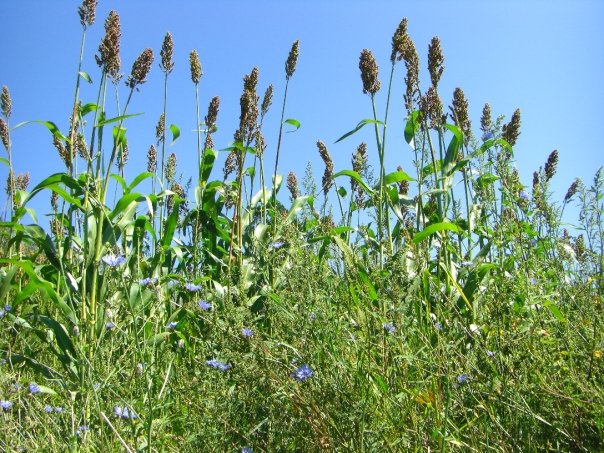
For generations in Sugar Grove, the Combs family  has carried forward a tradition that is as much about community and memory as it is about food. Making molasses was never a quick task or a solitary one — it was a season, a rhythm, and a ritual. Each step, from planting cane to sealing jars of molasses, reflects knowledge passed carefully and meticulously from one generation to the next. This is the story of how the Combs family makes molasses in the heart of Rye Valley, using tools, seeds, and methods that have endured for generations. Every batch of molasses begins long before the fire is lit under the pan. It begins in the cane patch — a field planted with seed saved from the previous year’s crop. This seed‑saving tradition is one of the most remarkable aspects of the process. Sherman Combs, Jr.  played a central role in this cycle. After the cane matured, he would walk the rows, selecting the best cane heads and carefully topping them in the harvesting process to collect seed. These seeds weren’t just agricultural material; they were heirlooms. Each year’s planting carried the genetics — and the memories — of many seasons and generations before it. This practice of “topping” the cane, gathering the heads, and saving seed ensured a consistent reliable crop, a lineage of cane adapted to Sugar Grove’s soil and climate and a direct connection between generations of farmers. Gayle Combs, the family patriarch, is shown in this photo going through the heads of the cane gathering the seeds to store for the next planting. Seeds can be stored for several years if kept dry and cool. They are usually stored in an old glass jug to prevent any moisture or other foreign matter from coming in contact with them assuring their quality. The jug has been around also for many generations.   Before any cane juice could be boiled, the custom molasses pan had to be prepared — a process that required both craftsmanship and patience. The pan is hand made and custom designed for the cane furnace using its specific measurements. The pan, typically a long, shallow metal trough, was fitted around a wooden frame. To ensure a tight seal, the pan was filled with water. As the wood absorbed moisture, it expanded, tightening around the joints and preventing leaks. Any small gaps or imperfections revealed during this stage were addressed before the pan ever touched the furnace and before any cane juice is put into it. This step is essential. A leaking pan could ruin hours of labor and waste precious cane juice. This preparation is treated as seriously as the cooking itself. The cane furnace — used not only for molasses but also for apple butter — is one of the most enduring pieces of family history. Built from stone and brick, it was designed to hold heat evenly and support the heavy molasses pan. The cane furnace is a rectangular structure built on top of the ground to form a box to contain the fire. it has a smokestack and slats across the top for added support of the pan when it is placed. The cane furnace sits under a pole shelter for added protection from weather and other elements. If it rains or is too windy, tarps can be added between poles for added protection from the weather. Before each use, the furnace has to be “mudded.” This means sealing the edges of the pan with a clay‑like mixture to prevent leaks, keep smoke and ash out of the molasses and ensure the pan heats evenly from end to end. This furnace isn’t just equipment; it is a landmark. Generations have gathered around it, stirring, skimming, talking, and working before first light until sunset. Once the cane furnace is properly made ready for the next molasses making event, the pan is placed carefully on fresh mud so that it forms a seal. Once the cane is harvested, the stalks are fed through a cane mill — a heavy, gear‑driven press that squeezes out the juice. The mill was often powered by hand, mule, or tractor, depending on the era. In modern times, a tractor is used to power the cane mill. As the stalks are crushed, the juice flows into a cloth strainer. This first filtration removed dirt, bits of cane plant matter, leaves and any other debris from the field. A fine, clean cloth sack is used for straining  for this step, ensuring the juice entering the pan from the cane mill was as pure and clean as possible. With the furnace hot and the pan sealed, the strained cane juice is poured in. This began the longest and most labor‑intensive part of the process: boiling the juice down into molasses. During this process, about half of the juice is lost to evaporation and skimming that renders a base product which becomes molasses. This stage could last many hours, often from early morning until sunset. Throughout the day, family and neighbors take turns feeding the fire, watching the boil, skimming and discarding skimmings into a nearby 5 gallon bucket. Skimmer tools are handmade from an old broom handles and metal that is hand crafted into a square scoop shape. the scoop has rows of holes so that liquid can flow through but the thicker foamy substance that rises to the surface does not pass through these holes and is discarded. These skimmers are used constantly throughout most of the process of making molasses. This process is performed along both sides of the pan for efficiency and turns are usually taken in the process by everyone. The color slowly deepens from pale green to a beautiful golden amber. The aroma — sweet, earthy, unmistakable — drifts across the yard permeating your clothes, your hair and any other material things you have while infusing everything with the scent of wood smoke mingled with molasses. It’s a unique scent only attained from this process. This…

Combs, Communities, Families, History, Sugar Grove

Stirring Tradition: The Art of Making Apple Butter

Stirring Tradition: The Art of Making Apple Butter

In the heart of Southwest Virginia, the quiet community of Sugar Grove, the Combs Family keeps a rich Autumn Appalachian tradition alive: the making of apple butter. This slow-cooked, spiced spread is more than just a seasonal delicacy—it’s a symbol of heritage, hard work, and togetherness of families and neighbors. For generations, churches, families and neighbors in Sugar Grove have gathered around copper kettles, often before dawn, to stir previously peeled and sliced apples over open wood fires, sharing stories and passing down techniques as old as the mountains themselves. Apple butter making in this region dates back to the early settlers who relied on preserving fruits to last through the harsh winters. What began as a necessity eventually became a celebrated tradition, with church groups, neighbors, visitors, and family farms organizing this activity each Fall. These events are part work, part festival, featuring laughter, music, and the comforting aroma of cinnamon and firewood filling the crisp mountain air. Today, making apple butter in Sugar Grove is as much about preserving a way of life as it is about preserving apples. Whether sold at local markets or ladled into jars for holiday gifts, each batch carries with it a sense of place and history that only Southwest Virginia can offer. What Does The Process Look Like? On a crisp October morning in Sugar Grove, Virginia, the valley hums with the low crackle of a hardwood fire and the rhythmic scrape of a wooden stirrer against copper. It’s apple butter day at the Combs family homeplace, and that means more than just cooking—it’s a gathering of generations, neighbors, and even curious visitors drawn by the promise of rich tradition and the sweet scent of spiced apples hanging in the cool and still misty, very early morning mountain air. The process is usually underway by 4AM. A pole structure, open on two sides and draped with a heavy tarp to block the wind on one, sometimes two sides, shelters the heart of the operation: a weathered “cane furnace” fueled by hand-split oak logs. The hardwood burns hot and steady, heating a gleaming copper kettle that’s been cleaned and set in place since before dawn. Within it, bushels of peeled apples—often Wolf River or another available locally grown variety—have been simmering for hours. The apples slowly break down, to the rich, deep brown of true Appalachian apple butter.. At the center of the kettle stands a stirring stick, worn smooth by decades of use and lovingly passed down by Grandad Combs. This stirrer has been passed down through the family, and today, a younger member of the Combs family keeps the rhythm going, arms steady as they guide the long handle around and around. “Don’t stop stirring,” someone calls out with a grin—one of many reminders passed along with the craft. What happens if you stop stirring? The copper kettle scorches on the bottom.  The kettle must be constantly stirred to prevent this costly mistake. Around the fire, a circle begins to form. camp chairs, cinder blocks, and a few other things provide makeshift seating as family and friends gather closer to stay warm. The picnic table is moved over near the cane furnace, Potatoes wrapped in foil roast slowly over heat nearby, filling the air with an earthy, comforting aroma. As the sun climbs higher, casseroles, crock pots, and dessert trays begin to appear on picnic tables—homemade dishes brought by neighbors and friends in true potluck fashion. There’s cornbread, slow-cooked beans, and pies of every kind. There are usually hot dogs to roast over the fire at the other end of the cane furnace as well.  It’s a feast earned by patience and fueled by fellowship. What Exactly Is This “Cane Furnace?” The cane furnace is a brick rectangular structure standing at a height of about 2 feet that we also use in the process of making molasses with a large rectangular pan. The brick foundation is mudded and provides a place to build a fire under the whole pan to cook cane juice all day. There is a smoke stack to carry smoke up through the roof and away from the work area. When we use this for apple butter making, we do not use the entire length of it and cover it except for a cut out that we have for the kettle so that we still get the use of the smoke stack and use the covered surface for baking potatoes and the fire for roasting hot dogs. Visitors Throughout the day, visitors drop by—some from nearby, others from out of state, drawn by memory or curiosity. They’re welcomed with a variety of food options, a chair, and often a story or two. Here in Sugar Grove, making apple butter isn’t just about the end product. It’s about the fire, the food, the stories, and the stirring—together. There is a LOT of stirring!  Over the years, we have hosted many guests, some were content creators who produced an entire documentary about Appalachian Life focusing on our apple butter making and others from as far away as New York! Our family’s old time apple butter making has been the subject of the Appalachian Studies curriculum at Radford University and has provided many with insight into the culture and heritage of Southwest Virginia’s people. Some of the lucky ones even get to take a jar or two home with them! The Day Continues… As the day wears on, the kettle’s contents darken and thicken, transforming from tart apple pulp into a silky, spiced spread with just the right balance of sweetness, spice and tang as cinnamon and sugar are gradually added. Every so often, several elder family members tests a small spoonful on a saucer, and nodding in quiet approval. “Almost there,” they say, the phrase echoing like a ritual. The patience is part of the process, part of what makes the end result so special. Rushing isn’t an option when it comes to good apple butter. Grandad, while he…

Combs, Communities, Families, History, Resources, Sugar Grove