
The Bank of Sugar Grove: A Brief Chapter in Local Enterprise
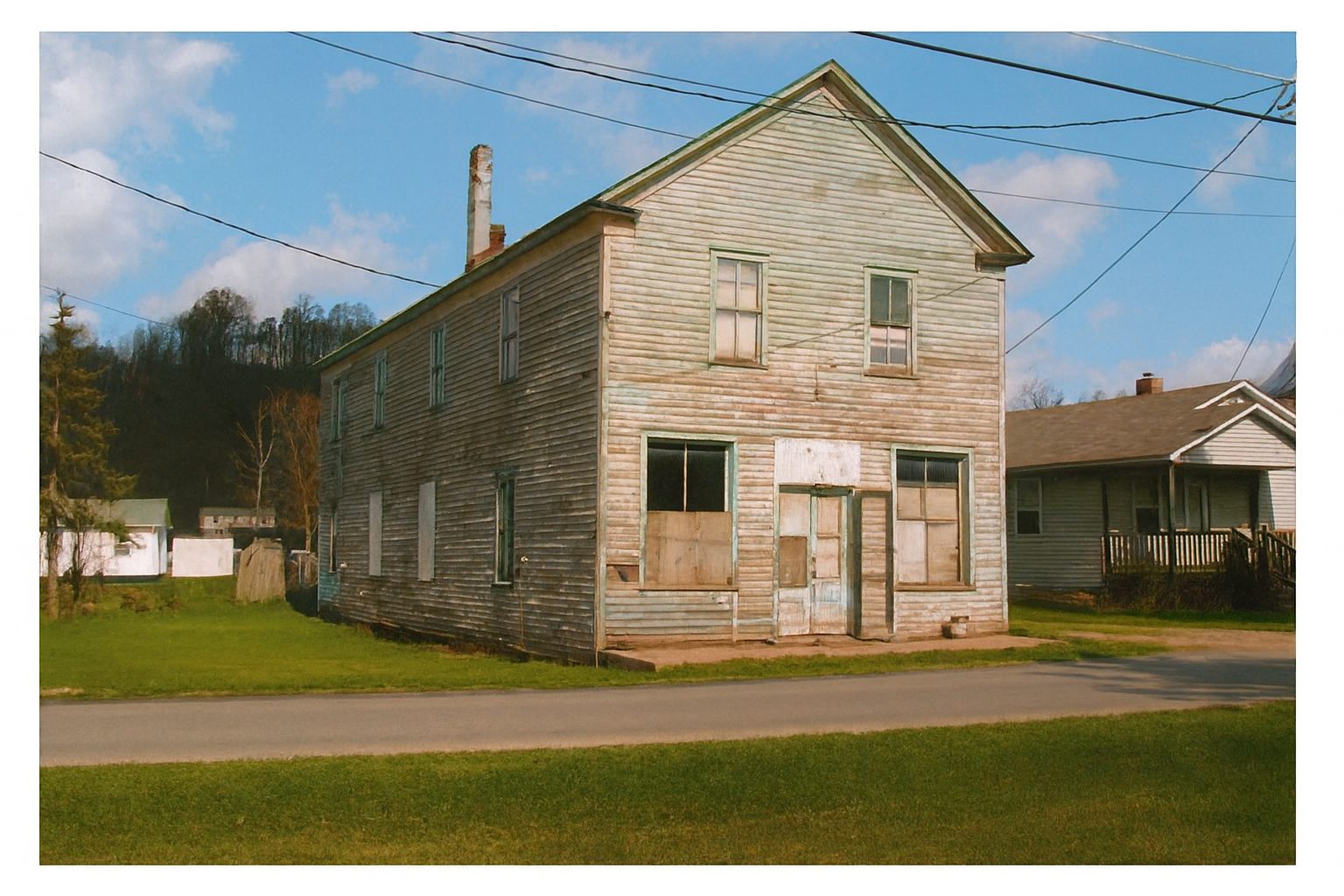
In the heart of Smyth County’s Rye Valley, the early 20th century brought a wave of local enterprise and ambition. Among the most notable ventures was the Bank of Sugar Grove, a short-lived but significant institution that reflected the community’s aspirations for economic growth and self-sufficiency The Bank of Sugar Grove was incorporated on October 2, 1914, with its principal office located in the Village of Sugar Grove, as recorded in Charter Book 2 at the Smyth County Courthouse. The bank’s stated purpose was broad and ambitious, encompassing the full spectrum of general banking activities: Discounting and negotiating bills of exchange, promissory notes, and drafts, Receiving deposits, Buying and selling exchange coin and bullion, Loaning money on real and personal collateral,Purchasing and selling stocks and bonds, This scope positioned the bank as a potential financial hub for local farmers, merchants, and residents seeking access to credit and investment opportunities. The bank’s capital stock was set between $10,000 and $25,000, with shares valued at $100 each. This structure reflected a modest but serious investment in the community’s financial infrastructure. Officers: R. N. Ward, President A. T. Slemp, Vice President L. L. Hutton, Secretary/Cashier Board of Directors: A. T. Slemp, Sugar Grove S. A. Meek, Sugar Grove R. N. Ward, Sugar Grove E. P. Wassum, Sugar Grove G. A. Lockhart, Rural Retreat L. H. Shumate, Rural Retreat J. S. Etter, Rural Retreat This blend of local and neighboring leadership suggests a regional vision for the bank’s role in Southwest Virginia’s economy. The bank operated from a building that once stood behind the current Sugar Grove post office. Though the structure no longer exists, its presence marked a tangible commitment to local commerce and financial independence. Despite its promising start, the Bank of Sugar Grove was dissolved on September 21, 1923. The reasons for its closure remain undocumented in the charter records, but its brief existence offers a glimpse into the challenges and hopes of rural banking in the early 1900s. While the Bank of Sugar Grove lasted less than a decade, its incorporation and operation reflect a pivotal moment in Sugar Grove’s development. It stands as a testament to the community’s entrepreneurial spirit and desire to shape its own economic future. Today, the memory of the bank lives on through courthouse records and local recollections, offering historians and residents alike a chance to reflect on the ambitions that once animated this quiet corner of Smyth County. The building later served as a meeting place for the International Order of Odd Fellows after it was used as a bank and also at one time had some apartments before falling into disrepair and eventually being torn down in the 90s. It is estimated that this building was built in the 1920s according to some documentation but this is conflicting with the charter which states the bank was located in the community prior to this date. It stood through the mid 90s and is now an empty lot. During the time the building was being used, we know that Roy Fulton, a custodian who retired from Sugar Grove High School in 1953 , lived in one of these apartments where he made wood crafts and sold them to supplement his income during his later years. *Special thanks to County Administrator Shawn Utt and Clegg Williams for assisting in locating photos of this building. *Photo was colorized from original black and white photo dated 1997 for this article.